
The Post-Modern Way to Kill a Brand

Why do the world’s biggest brands destroy the myths that made them matter?
Post-Modern Symbols Replace Myth
Walk into a convenience store.
There sit stacks of Bud Light. Untouched. Like unwanted furniture waiting for someone - anyone - to collect. But beer drinkers walk straight past and grab something else. One guy in a trucker cap told USA Today: “I wouldn’t be caught dead with Bud Light now.”
Bud Light used to be the beer he grabbed when he didn’t want to think. Now, thanks to mishandled marketing, the beer is culture-war radioactive.
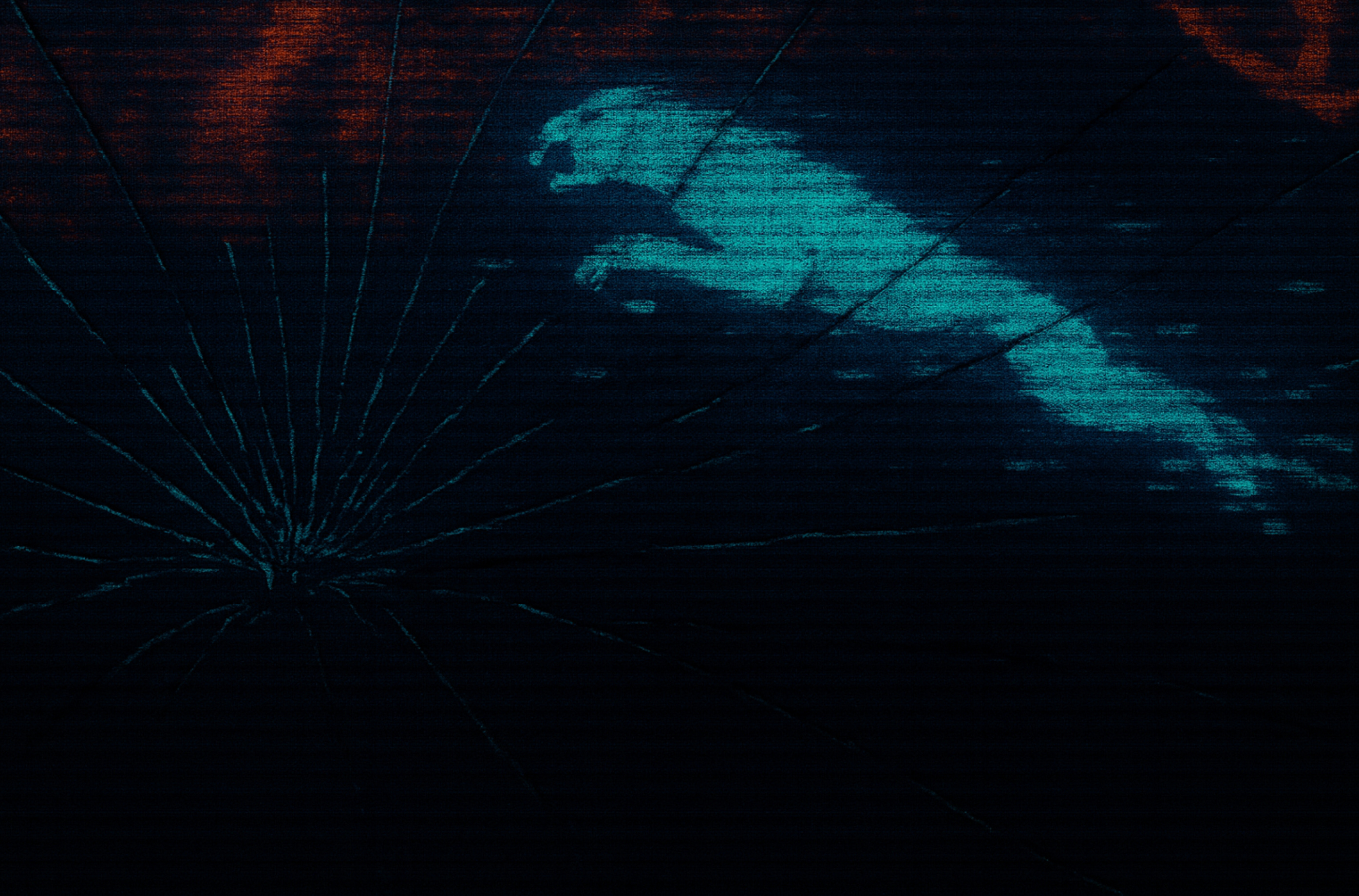
Take Jaguar, the British fast cat sporting leather and walnut that forgot how to growl. Even the beloved leaping cat in the logo had disappeared. Instead, we got facile silicon valley clichés imploring the viewer to “Live Vivid” chanted by actors in a parody of post-modernity. Worse, the showrooms were empty - sales down ninety-seven percent in Europe. As one dealer muttered, “They’re selling an identity crisis.”
And now Cracker Barrel have just made the same mistake. Besides modernising their rustic stores, they got rid of the man on the chair from their logo - the one symbol that said, “sit down, you’re most comfortable here.” Customers called it “the death of comfort.” The stock chart took a dive off the front porch.
Different industries, same mistake. They torched the myths that kept them alive.
The Old Story Still Sells
Every brand that lasts carries a myth.
Bud Light’s myth: easy Americana.
Jaguar’s myth: grace and pace.
Cracker Barrel’s myth: rustic welcome.
These myths are contracts. Break them, and customers feel betrayed.
This wasn’t, as many pundits claimed, due to political misalignment. Well, perhaps just a little. But really, the problem lay deeper - a problem of mythology and incentives - rather than simply “go woke, go broke”.
Bud Light: From Easy to Embarrassed
It’s not as if Bud Light was the best beer. It didn’t have to be. It was the easy beer for easy times. A beer that required no thought or position. Just. Beer.
Then came the pivot. A hipster influencer campaign that sneered at its own drinkers as being “out of touch.” Inside headquarters, the move looked clever. The marketing manager could brag to peers. The CEO could reassure analysts Bud was “doing something” about the drifting sales.
But at the bar, it landed as contempt. Bud Light wasn’t easy anymore. No, it was now a test of identity values. Revenues fell nearly ten percent as competitor Modelo took Bud’s crown.
A myth decades in the making dissolved in months.
Jaguar: Neutered Cat
What does “Jaguar” mean? Jaguar used to mean “elegance with menace”. A Jaguar was a stylish, wild beast.
The new rebrand forgot that. Out went the jungle cat. In came “Copy Nothing,” a byline which could have sold printers back in the 90s. And the timing was absurd: no cars in showrooms, ninety-seven percent of sales gone.
Critics piled on. “They’ve turned a predator into a floofy house pet,” one wrote.
At headquarters the logic was obvious: show you’re modern, buy a little time with the investors. Marketing had their eye on peer group validation. But with a sidelined myth, Jaguar was left with trite slogans echoing through their now empty show rooms.
Cracker Barrel: Get Off The Porch
What did customers like about Cracker Barrel? To them, the man on the chair was more than a logo. It was the promise of a porch where strangers still talked like neighbours.
When the logo disappeared, replaced with a corporate minimalism, customers saw shame. “They’re embarrassed of who they are,” one posted. “If I wanted modern, I’d go to Applebee’s.”
For the CMO, the redesign meant progress. For the CEO, it was a signal to investors. But the very point of Cracker Barrel was to stay rooted in sweet home nostalgia. What happened next? Customers revolted. The stock slid nine percent in a single day. Management panicked and walked their changes back.
Pride Before the Brand Falls
These weren’t political mistakes. Some brands can survive and prosper on political alignment.
These were myth mistakes.
How do brands forget their own mythology? Look at the incentives. Marketing managers tend to chase peer applause. CEOs tend to chase the appearance of decisiveness. Both optimise for each other. Unfortunately, neither remembered to optimise for the customer’s story, until the customers loudly reminded them.
The Political Stress Test: Nike & Coke
What about Nike and Kaepernick? Didn’t they go political and win?
Yes - but Nike is the exception that proves the rule. Its myth has always been rebellion and individual glory. Backing Kaepernick wasn’t a break of myth. It was a doubling-down. Sales jumped 31% after the campaign. Not because politics pays. Because Nike stayed faithful to its myth.
And then there’s Coke. Few brands reinvent more often - new slogans, new bottles, new youth campaigns every decade. But beneath the churn, Coke’s myth never shifts: togetherness, happiness, sharing. “Share a Coke,” “Open Happiness,” even the Christmas trucks - all different wrappers for the same story. That consistency lets Coke surf cultural change without wiping out.
Nike shows you can take sides if it fits your myth. Coke shows you can endlessly repackage if you protect the myth. In both cases, survival depends not on politics or novelty, but on fidelity to the myth.
The Path Forward
A safer path, especially for brands outside a purely youth demographic, is myth evolution.
It’s interesting to note that family firms avoid the trap of reckless reinvention. Rolex doesn’t apologise for crowns. Lego doesn’t apologise for play when marketing to adults. Hermès doesn’t apologise for leather. They evolve their myths. They don’t deny them.
Preserve the trunk. Keep the symbols alive.
Add branches. Build with craft, humour, taste, service.
Lead with product. Let innovation carry the story.
Translate, don’t sneer. Respect the roots while adapting.
Guinness updates faces but never the slow pour. Lego ventures into adulthood but maintains play. Apple shifts image and language but always sells creative empowerment.
Staying True vs Bending with the Times
Not every brand plays by the same rules. Some are heavy with myth. Others are lighter, built to reinvent.
Heritage brands - Rolex, Jaguar, Hermès, Lego, Bud Light or Cracker Barrel - trade on continuity. Their customers want stability. Strip away the crown, the leather, the rocking chair, and you strip away the contract. If leaders chase peer approval instead of customers, they break what made the brand matter.
Fluid brands - Pepsi, Coke, Nike, fast fashion - are expected to change clothes every decade. But even here, the myth is the anchor. Coke can swap slogans endlessly because it always circles back to togetherness. Nike can wade into controversy because its myth has always been rebellion and glory. Reinvention works when it grows from the root.
That’s the difference. Some brands have to hold fast to their roots. Others have more room to shift and reinvent. But in both cases, the myth is the thing keeping them alive.
Sell What Customers Buy
Brands don’t die from staying true. They die when executives confuse their own pride for progress - and in the process forget the thing customers are really buying: the myth.